
Kansas City Veterans Court Eligibility and Program Requirements
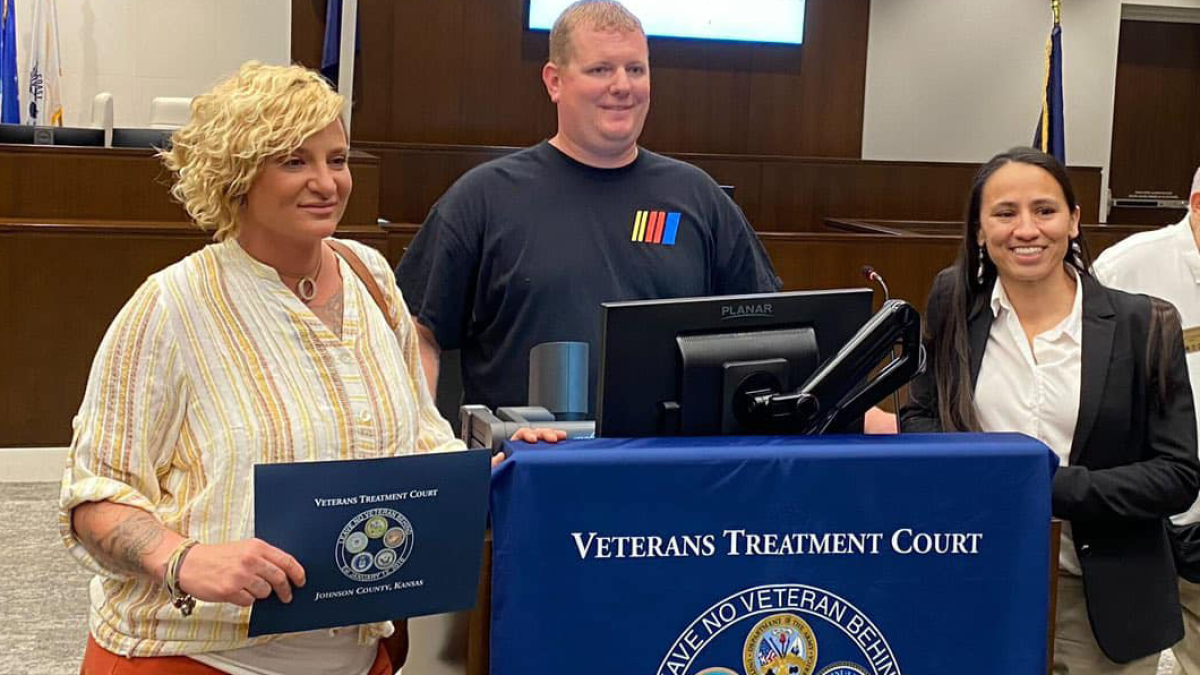
In Kansas City, Veterans Court provides an alternative route to justice. It emphasizes healing rather than punishment. After serving, many veterans experience stress. Some struggle with addiction, trauma, or housing problems. These difficulties can quickly result in legal issues. The court intervenes in that situation. These kinds of programs are housed under Kansas City Specialty Courts and prioritize healing. Helping people rebuild a stable life is the straightforward objective. This goal is also supported in Kansas City, Missouri, by Beyond the Bench KC. They strive to increase community support and understanding of recovery-based justice.
What Is the True Purpose of Veterans Court?
Veterans Court is a court that solves issues. It addresses the underlying causes of criminal conduct. What do you know? Many instances include more than just rule violations. They deal with suffering, tension, or unresolved trauma. Instead of locking individuals up, this court links them to treatment. It provides direction, structure, and encouragement. Caseworkers, treatment teams, and the judge collaborate. They regularly assess progress and modify assistance as necessary. At times, it seems harsh. However, caring with responsibility is the goal.
Who Can Qualify for Veterans Court in Kansas City?
Not every case enters Veterans Court. There are clear eligibility rules. Common requirements include:
- You must be a military veteran
- The charge is often non-violent
- A link exists between service and behavior
- Willingness to follow court rules
- Agreement to treatment and supervision
Some violent cases may be reviewed. But approval is not guaranteed there. Mental health needs often play a role. So does substance use history. The court looks at the whole person, not just the charge.
What Happens After Acceptance?
Once accepted, the program starts quickly. There is no long wait or delay. Participants follow a structured plan. This often includes:
- Regular court check-ins
- Counseling or therapy sessions
- Drug or alcohol testing
- Job or training steps
- Group support meetings
Missing steps can bring warnings or sanctions. But progress brings rewards too. Some people move through phases. Each phase shows growth and responsibility. It is not always smooth. Life outside court still happens. Still, support stays steady.
The Real Requirements Day to Day
Veterans Court is not a passive program. It asks for real effort every week. Participants must stay honest with the court team. That part matters a lot. Rules usually include:
- Stay clean from drugs and alcohol
- Attend all scheduled meetings
- Follow treatment plans
- Keep steady contact with supervisors
- Avoid new legal trouble
Small slip-ups get addressed early. The goal is correction, not quick punishment. There is structure, but also guidance. Think of it like rebuilding a routine from scratch. One step at a time.
Why Programs Like This Matter
Some people ask, why not just use jail? Here’s the thing. Jail does not fix trauma or addiction. Veterans often carry heavy invisible weight. That weight shows up in daily life. Veterans Court tries to break that cycle. It gives tools, not just penalties. And that shift can change long-term outcomes. Beyond the Bench KC supports this idea strongly. They believe justice should address root causes, not just symptoms.
How Someone Usually Enters Veterans Court
Entry can happen in a few ways. Sometimes a defense attorney suggests it. Sometimes a judge recommends review. Other times, probation staff raise the option. The steps usually look like this:
- Screening for eligibility
- Review of criminal history
- Mental health or substance assessment
- Court approval meeting
- Final acceptance decision
It moves faster than many expect. But each case gets careful review. No two paths look exactly the same.
Challenges People Face in the Program
Let’s be honest. This is not an easy road. Common struggles include:
- Keeping up with strict schedules
- Managing withdrawal or mental stress
- Finding stable work
- Rebuilding trust with family
- Handling court pressure
Some days feel heavy. But support systems exist for a reason. Mentors, counselors, and peer groups help a lot. Even small wins matter here. A clean week counts. So does showing up on time.
A Quick Link Back to Community Support
Programs like Veterans Court do not work alone. They depend on community backing. That is where Beyond the Bench KC steps in. They help connect people to resources and awareness. They also support the idea that recovery is shared work. Not just a court task. Community support keeps progress from falling apart. It fills gaps that legal systems cannot cover alone.
FAQs
1. What is Veterans Court in Kansas City?
Veterans Court is a special court program. It helps veterans with legal issues tied to service. It focuses on treatment, structure, and long-term recovery support.
2. Who can qualify for Kansas City Veterans Court?
Most participants must be military veterans. Cases are often non-violent in nature. There must be a link between service and current behavior issues. Willingness to follow strict rules is required.
3. What kind of programs do participants follow?
Participants attend therapy, court check-ins, and testing. They may also join job training or support groups. Each plan is built to support recovery and accountability together.
4. Can someone be removed from Veterans Court?
Yes, removal can happen. It may occur after repeated rule breaks or new charges. But the court often tries correction steps first before removal.
5. How long does Veterans Court usually last?
Length varies by case and progress. Many programs last several months to a few years. Completion depends on meeting all court and treatment goals.
If you want, I can also optimize this for WordPress SEO plugins like Yoast or RankMath, or add meta title and description.