
What Stays With Fans After the 2026 World Cup
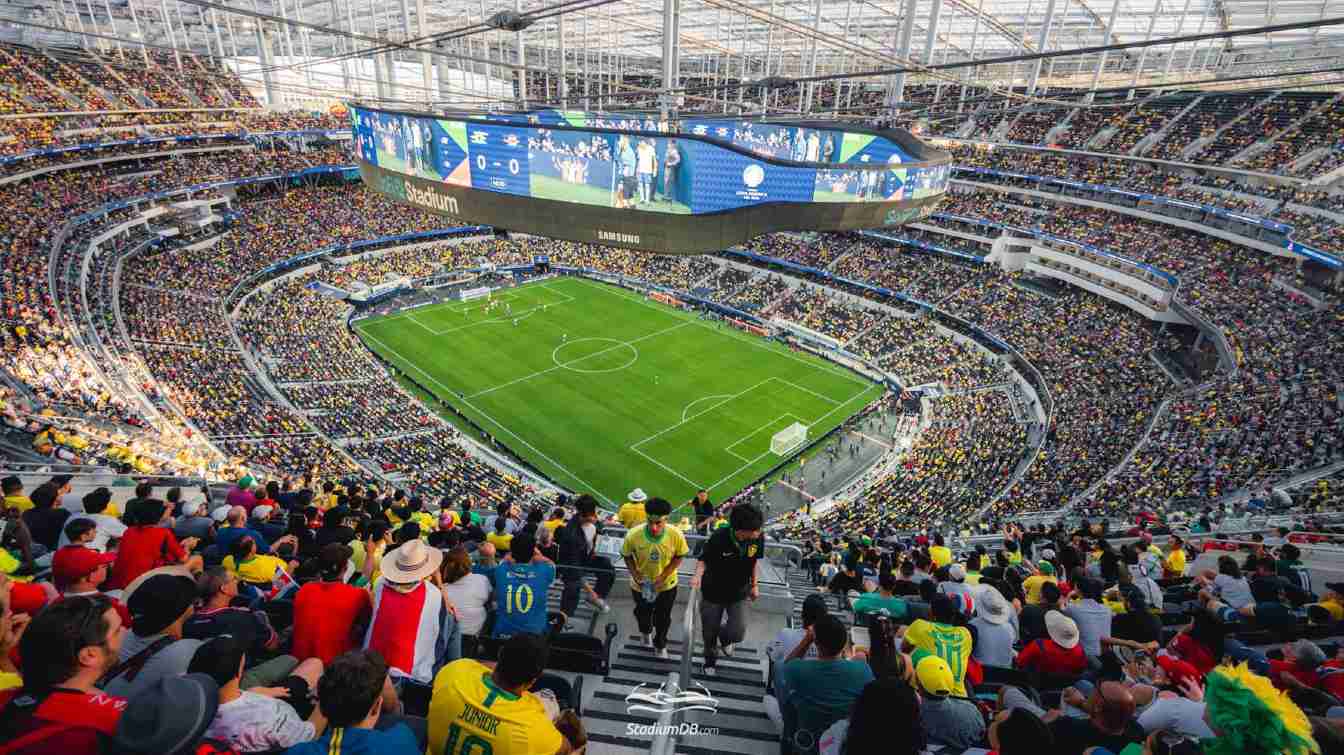
When the final whistle of the 2026 World Cup fades and the calendar moves back to club football, not everything disappears with it. Certain tactical ideas, player images, and ways of reading matches remain lodged in supporters’ minds and quietly shape how they watch football for years afterward.
Why Some World Cup Moments Outlive the Tournament
Not every goal or storyline survives beyond a few weeks. The moments that stick usually combine three elements: tactical clarity, emotional weight, and clear cause–effect on the pitch. A comeback built on a visible formation shift, a tournament defined by a particular pressing style, or a breakout star who repeatedly bends matches in the same way becomes easy to recall and reuse as a reference point.
Fans store these memories as templates. The next time they see a back three morph into a back five, or a narrow front line forcing play wide, they unconsciously compare it to what they saw in 2026. Over time, this turns a one‑month tournament into a long‑term mental library of “this is what high-level football looks like when it works.”
Tactical Patterns That Are Likely to Stay
World Cups tend to crystallize tactical trends that have been building in club football. After 2026, supporters are likely to remember not just formations but recurring behaviours: how teams defend half-spaces, structure rest defence, or use flexible midfields to control tempo.
These patterns persist in memory because they are easy to spot live. Fans remember, for example, how compact blocks made it almost impossible to find central passes, or how certain sides protected against counters with two or three players positioned behind the ball at all times. Once seen repeatedly, these habits become benchmarks that viewers look for in every major match they watch afterward, both at international and club level.
How ดูบอลสด After 2026 Will Feel Different
For fans who watched large parts of the tournament as ดูบอลสด, the World Cup becomes a calibration tool. They have seen what top-level compactness looks like over full matches, how long a high press can realistically be sustained, and how quickly elite teams reorganize after losing possession. That experience changes the texture of ordinary viewing.
In later seasons, when they tune in to live games, they pay more attention to whether a team’s apparent dominance comes from genuine structural superiority or just from a few breaks in transition. The eye becomes more sceptical of chaotic end‑to‑end play and more appreciative of sides that quietly deny high-quality chances. Live viewing shifts from waiting for drama to tracking whether the match is unfolding along lines they recognize from 2026.
Players and Roles That Redefine Expectations
Every World Cup leaves behind a few players who permanently alter what fans expect from certain roles. It could be a centre-back comfortable stepping into midfield, a deep‑lying midfielder who dictates tempo under constant pressure, or a wide forward who repeatedly attacks the same channel with ruthless timing.
What persists in memory is not just highlight‑reel actions but the consistency of these roles across matches. When supporters later watch club football or qualifiers, they look for echoes: does their own national team have a number six who can receive on the half‑turn like those in 2026, or a full‑back who understands when to invert versus when to overlap. Those comparisons shape both hope and frustration long after the tournament ends.
The Tactical Concepts Casual Fans Start Using More
Each tournament pushes a few once‑specialist terms into general use. After 2026, more casual viewers are likely to speak about “blocks,” “overloads,” “pressing traps,” and even “rest defence,” because they have seen them discussed and, crucially, can now recognize them during games.
This vocabulary does not just change conversation; it changes where eyes go during a match. A fan who now understands what a compact block is will look at line spacing when the opponent has the ball, not just at the ball carrier. Someone who has heard about overloads will track how many attackers arrive on one side of the pitch whenever a team tries to break through. Language becomes a steering wheel for attention.
How Fans’ Viewing Checklists Evolve (H3)
After a World Cup, many supporters subconsciously develop a checklist of things they pay attention to whenever they watch football. It tends to include:
- How teams build out from the back under pressure.
- Whether the central areas are protected or left open.
- How quickly sides regain shape after losing the ball.
- Where and how their best chances are created.
This checklist is built from watching the best sides operate under stress in 2026. Once installed, it rarely disappears. Instead of judging a match solely on scoreline, fans ask whether a performance looked repeatable, robust, and similar to what they saw work at the highest level.
What Fades Quickly Once Club Football Returns
Not everything survives the transition back to normal seasons. Short‑term narratives tied to small samples—one upset, one fluke goal, one wildly overperforming striker—tend to fade as club football provides a larger dataset. Fans realize that certain “stories” from the World Cup were built on a handful of moments rather than enduring strength.
Tactically, ideas that depended heavily on unique player profiles or very specific matchups also lose prominence in memory. Viewers remember the general principle—say, extreme man‑to‑man pressing—but file the exact implementation under “special case,” especially if it fails when copied by lesser teams in different contexts.
How 2026 Will Shape the Way Fans Judge Future Tournaments
The next major international competitions will not be watched in a vacuum. Fans will carry forward a mental picture of 2026: the tempo, the standard of defending, the average level of pressing, and the balance between structure and chaos. Each new tournament will be measured against that internal baseline.
That means supporters will notice, for example, if pressing intensity drops, if teams become more conservative in attack, or if defensive blocks sit deeper than what they came to expect in 2026. They will also be quicker to spot evolutions: new build‑up patterns, more flexible use of positional play, or different solutions to managing transitions. 2026 becomes the reference tape against which future tournaments are judged.
Summary
The world after the 2026 World Cup is not just a calendar turning over; it is a shift in how fans see ดูบอลสดวันนี้ goaldaddy. They leave the tournament with new tactical templates, redefined expectations for key roles, and more precise checklists for judging performances when they watch live matches. Much of the noise will fade, but the way supporters read space, structure, and momentum when they tune in again—that will be the part that quietly stays.