
Proactive Protection: How Autonomous Framing PTZ Cameras Change Threat Detection
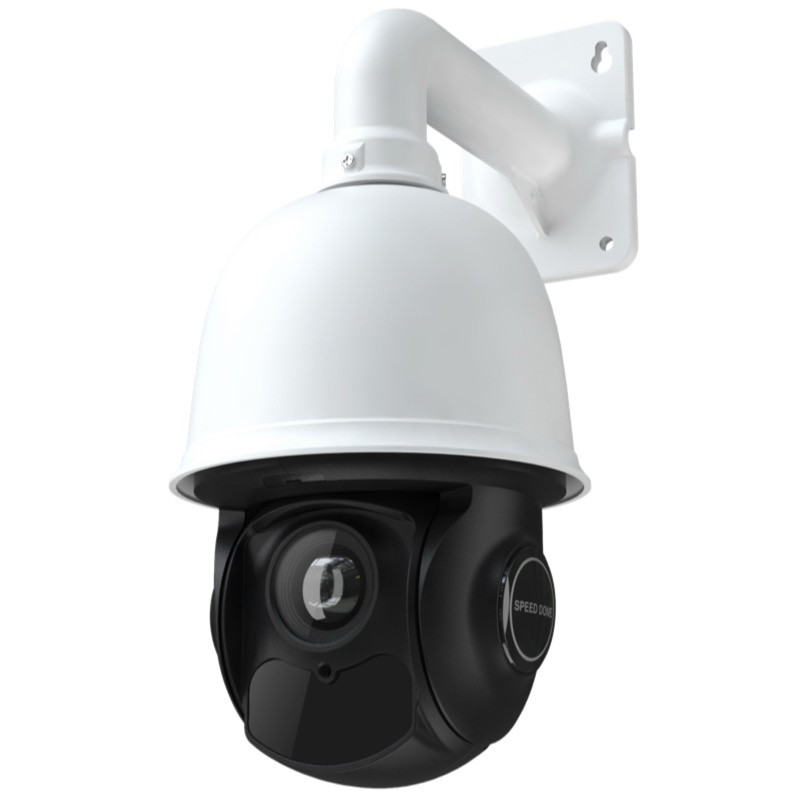
Modern security solutions increasingly depend onadvanced intelligence technology instead of relying on basic security cameras throughout their operations. Advanced camera systems now react to movement, identify unusual patterns, and provide clearer awareness for safety teams. Organizations and property owners value tools that improve oversight while reducing manual monitoring effort. Automated framing features enhance response time, strengthen situational understanding, and support preventive security actions. These improvements encourage confidence in monitoring processes while promoting better protection across commercial, institutional, and residential environments.
Smart Framing
Reliable security improves when motion recognition links with responsive optics. Many facilities benefit because a ptz video camera supports automatic subject framing while maintaining sharp visibility during continuous observation. Such capability helps reduce blind spots and enhances incident awareness without constant human control. Improved monitoring accuracy also allows faster decisions when unexpected activity appears.
Core Features
Autonomous framing solutions combine advanced optics, analytics, and automated response. These elements work together to improve threat recognition and monitoring quality.
- Automatic subject recognition enables faster reaction and continuous monitoring without human intervention
• Intelligent zoom control provides detailed observation while maintaining overall situational awareness
• Motion analysis algorithms reduce false alerts through accurate object identification and pattern recognition
• Remote access support allows operators to review activity through secure connected monitoring platforms
Threat Awareness
Continuous observation supports early detection of suspicious activity. Cameras follow movement patterns and highlight irregular actions before situations escalate. This proactive monitoring approach helps reduce security risks and supports faster response planning. Improved visual data also assists teams in reviewing events and refining protective strategies over time.
Monitoring Benefits
Advanced framing cameras deliver practical advantages for safety management. Their ability to analyze movement improves awareness and reduces manual workload.
- Enhanced visibility helps operators detect unusual activity sooner than traditional static cameras
• Automated recording ensures important events are captured without relying on constant supervision
• Flexible viewing angles allow comprehensive coverage across wide monitoring zones
• Real-time alerts guide faster action when unexpected patterns or movement is identified
System Efficiency
Automation improves operational efficiency through its capacity to decrease the need for manual changes. The cameras maintain constant coverage because they independently adjust their position, zoom level, and focus settings. This helps security teams allocate attention more effectively and focus on analysis rather than basic camera control. Reliable performance also supports long term monitoring stability and consistent observation quality.
Security Integration
Autonomous scanning cameras often connect with broader security infrastructure. Integration strengthens overall monitoring capability and enhances coordinated response.
- Alarm system connection enables instant notification when suspicious motion patterns are detected
• Data storage synchronization supports organized review and evidence management for investigations
• Access control linkage improves visibility around restricted areas and sensitive operational zones
• Analytics integration helps identify trends and optimize future safety planning decisions
Privacy Balance
Trust in organizations depends on their responsible deployment of security technologies. Ethical monitoring practices become established through the implementation of clear policies, proper equipment placement, and transparent communication methods. When users understand system’s purpose and limitations, acceptance increases. Balanced implementation protects individuals while maintaining effective oversight and accountability.
Future Outlook
Innovation continues shaping safety and security technology. Improved analytics, refined optics, and smarter automation promise stronger monitoring reliability. As organizations prioritize preventive security measures, autonomous scanning systems will become more essential for their operations. The developments create safer environments, which also enable better resource management to be conducted.
Safer Monitoring
Organizations seeking stronger oversight increasingly adopt advanced camera solutions. A well placed ptz video camera enhances observation accuracy while supporting proactive security planning and operational confidence. Thoughtful deployment combined with clear usage policies helps achieve reliable protection without unnecessary complexity.
FAQs
What does PTZ mean in security cameras?
PTZ refers to pan-tilt-zoom capability, allowing cameras to move and adjust focus automatically.
How does autonomous scanning improve safety?
It follows motion automatically, helping identify unusual patterns quickly and reducing monitoring delays.
Can these cameras work with existing security setups?
Yes, many models integrate smoothly with alarms, storage systems, and monitoring platforms.