
The Ultimate Guide to Safe Urethral Sounding: Techniques and Safety Tips
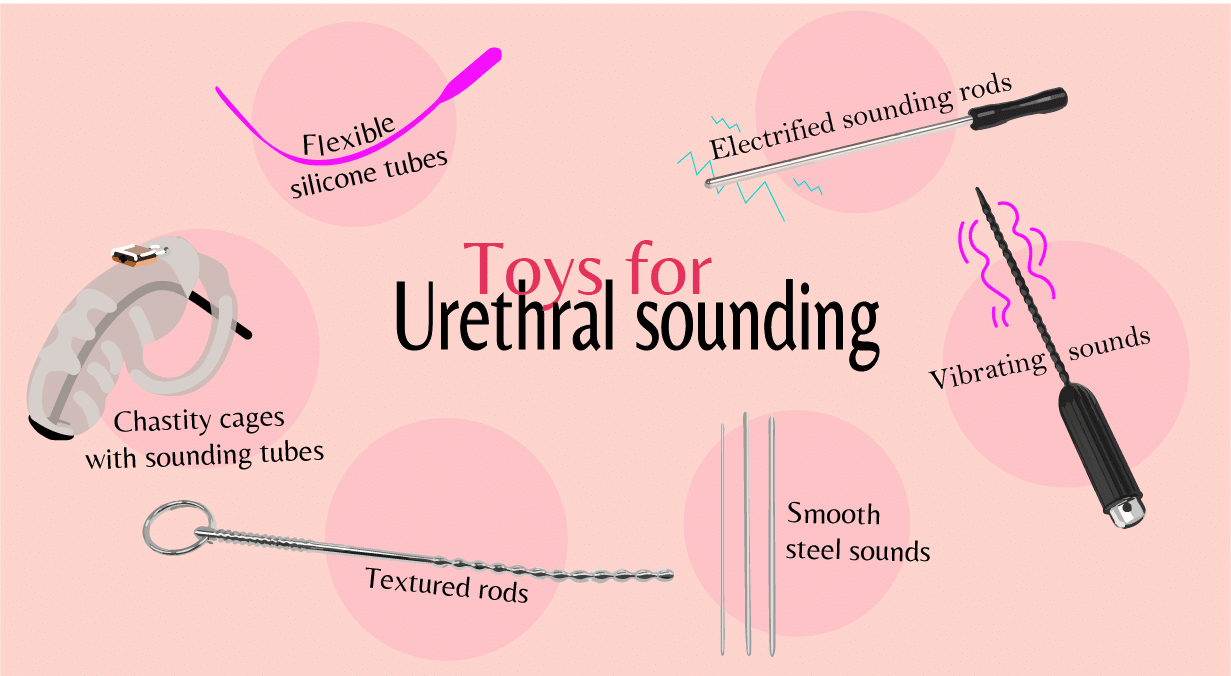
Urethral sounding is a personal practice that calls for cautious studying, consistent coaching, and the affected person’s cognizance. Many human beings discover it for heightened frame focus, sensory curiosity, or intimate consideration. Safety matters more than depth, and considerate conduct protects consolation and wellness. Clear expertise facilitates lessen threat and builds self-belief through managed steps. Understanding limits, hygiene, and bodily signals permits this hobby to remain respectful to the body. With calm cognizance and knowledgeable choices, people can make sound decisions with extra guarantee and reduced stress.
What are the Basics of Anatomical Awareness in Sounding?
Urethral sounding entails gently inserting a clean gear into the urethra for controlled stimulation or cognizance. The body location is touchy and reacts strongly to pressure, temperature, and motion. Beginners must recognize herbal anatomy and never rush the system.
Careful education lowers the chance of inflammation or damage. Many experienced users emphasize patience and listening to physical feedback. Tools such as sounding rods are commonly discussed because their shape supports gradual learning when used responsibly.
Essential Hygiene and Preparation Standards for Safety
Clean habits protect the body from irritation and unwanted reactions. Proper preparation builds a safer foundation before any attempt.
- Hand Hygiene: Thorough washing reduces surface residue.
- Tool Sterilization: Use gentle soap and warm water for smooth contact.
- Moisture Control: Drying items completely prevents bacteria-related issues.
- Dermal Cleansing: Clean surrounding skin to prevent transfer to sensitive areas.
- Environment Setup: Using fresh towels ensures a controlled, tidy space.
How to Choose the Right Materials and Tools for Beginners
Choosing the right tool is central to safety and comfort. Materials should feel smooth and balanced in the hand. Beginners often prefer shorter lengths to maintain control.
Weight influences how pressure feels, so lighter options reduce strain. Avoid damaged surfaces since small flaws can irritate tissue. Storage also matters because protected placement keeps tools ready for safe future use.
Selecting the Best Lubrication for Friction Reduction
Lubrication reduces friction and supports smoother movement during insertion. Selecting the right type improves comfort and control.
- Water-Based Only: Allows easy cleanup and gentle contact with tissue.
- Generous Application: Creates a protective layer for steady movement.
- Continuous Reapplication: Prevents dryness and mechanical resistance.
- Fragrance-Free Formulas: Lowers the chance of internal irritation.
- Purity Standards: Keeping the lubricant clean prevents the introduction of particles.
Gentle Insertion Techniques and Muscle Relaxation
Slow movements help the body adapt and relax during sounding. Begin with shallow depth and pause often to assess sensation. Breathing steadily can ease muscle tension and improve control.
Never force entry when resistance appears because that signals a need to stop. Smooth, consistent pressure works better than sudden motion. Respecting limits builds trust with your body and supports long-term safety.
Identifying Risks and Understanding Physical Feedback
Understanding possible issues allows a timely response and prevention. Awareness supports informed decisions throughout the practice.
- Sharp Pain: Signal to stop immediately to prevent tissue disturbance.
- Unusual Discharge: May indicate irritation requiring rest and monitoring.
- Visible Swelling: Suggests overuse and the need for extended recovery.
- Minor Bleeding: Requires cessation and observation until comfort returns.
- Lingering Discomfort: Means avoiding further attempts until sensations normalize.
Post-Session Recovery and Aftercare Practices
Aftercare supports recovery and luxury once the session ends. Gentle cleansing gets rid of residue without harsh rubbing. Hydration helps natural recovery tactics. Rest allows tissue to settle and decreases sensitivity. Paying attention to tomorrow helps perceive delayed reactions. Thoughtful aftercare strengthens self-assurance and prepares the frame for future protection.
Maintaining Smart Habits for Long-Term Wellness
Consistent habits shape a more secure sounding habit over the years. Avoid common sessions to allow healing between tries. Keep equipment stored in easy dry boxes away from dirt.
Review your approach regularly and adjust based on comfort. Learning from reliable academic sources helps ongoing development. Respecting barriers guarantees the exercise remains managed and conscious.
Conclusion: Building Steady Confidence Through Awareness
Building self-assurance with urethral sounding depends on staying power, preparation, and honest self-evaluation. When human awareness of hygiene, careful movement, and attentive aftercare, dangers continue to decrease and luxury improves.
Developing attention of frame signals carries smarter choices and stops needless harm. Tools like sounding rods need to always be used with restraint and recognize the need for speed or stress. A calm method centered on protection permits this exercise to remain intentional, managed, and aligned with private health.