
What Are the Key Features to Look for in a Modern Rain Test Chamber?
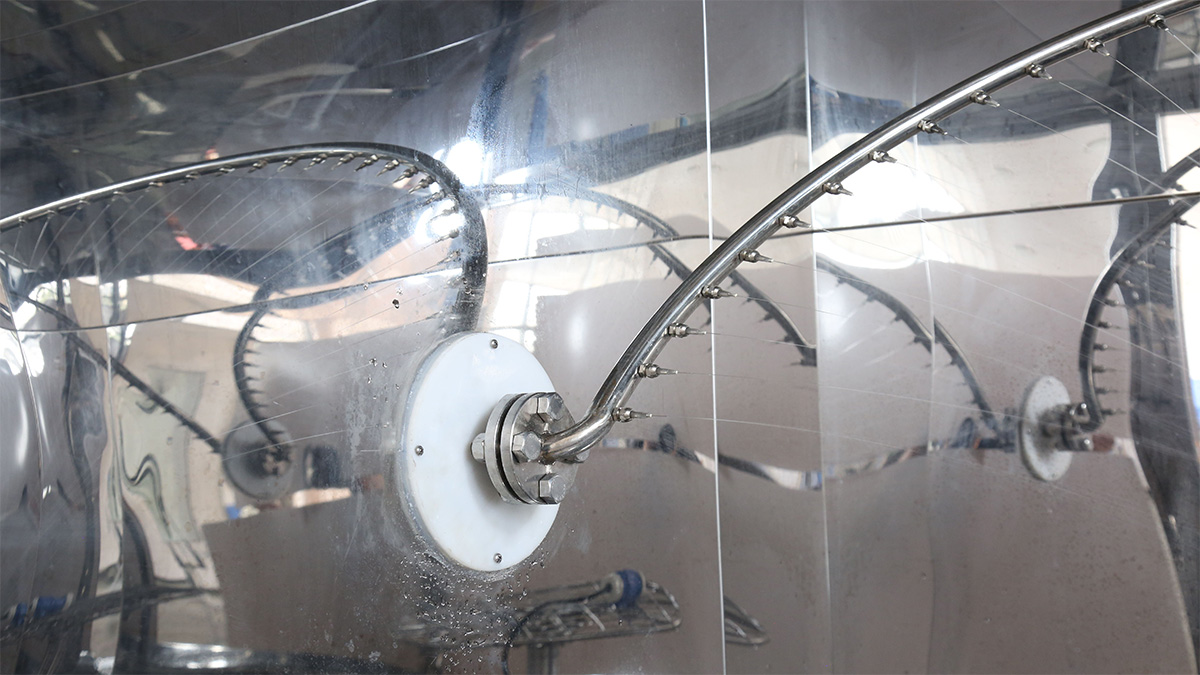
Modern manufacturing needs controlled testing methods to prove product durability through tests that simulate water exposure. The rain test chamber enables testing of material and component, and assembly performance when they experience controlled water moisture exposure. The systems enable manufacturers to test product endurance against water contact that occurs during product use, storage and handling. Proper testing also supports compliance with quality benchmarks that demand consistent and repeatable results.
As product complexity increases, testing solutions must deliver accuracy, adaptability, and dependable monitoring. Rain simulation systems are no longer basic enclosures with water spray alone. They now incorporate precision controls, safety features, and intelligent monitoring functions that ensure reliable assessments. Selecting the right chamber requires understanding essential characteristics that influence testing outcomes and operational efficiency. Knowing these elements helps decision makers invest wisely and improve long-term testing reliability.
Advanced Spray Control Systems
Accurate spray distribution is a defining feature of a modern rain test chamber. Consistent water delivery ensures each test cycle replicates realistic exposure conditions. The chamber must support adjustable spray intensity to evaluate different usage scenarios without compromising test integrity. Within these systems, test chamber equipment must provide uniform coverage across all tested surfaces to avoid inconsistent results.
Precision spray control also reduces water waste and improves repeatability across multiple tests. Flow regulation allows operators to maintain stable pressure during extended cycles. Controlled spray angles ensure water reaches targeted areas without unintended pooling. These functions collectively support dependable testing while minimizing operational variability.
Intelligent Control Interface
A modern chamber relies on an intuitive interface to simplify operation and monitoring. The control system serves as the central point for test configuration and performance tracking. Clear visibility and responsive inputs allow users to manage cycles efficiently without extensive training.
- Visual screens support quick parameter adjustments with minimal operational confusion
• Touch-based navigation allows smooth selection of spray patterns and durations
• Data memory stores previous test settings for repeat use accuracy
• Alert notifications inform operators about irregular conditions during testing
• User access control restricts unauthorized changes to testing parameters
Durable Chamber Construction
Structural quality determines how well a rain test chamber performs over time. Materials must resist corrosion while maintaining strength under repeated water exposure. A robust enclosure prevents leakage and protects internal components from premature wear. Solid construction also ensures stable environmental conditions during prolonged test cycles.
The design of chamber interiors needs to enable simple cleaning procedures because this cleaning method prevents material accumulation, which interferes with test results. The door and access panel areas require reinforced sealing systems, which help maintain internal pressure stability. The process of making high-quality products through precise manufacturing methods results in durable materials that require less upkeep while maintaining constant testing accuracy.
Flexible Test Configuration
Testing demands vary depending on product size, shape, and intended usage conditions. A modern chamber must offer adaptable configuration options to accommodate these variations. Flexibility ensures one system supports multiple evaluation needs without constant modification.
- Adjustable mounting racks allow secure placement of varied test samples
• Removable fixtures support efficient setup changes between test sessions
• Variable water pressure settings enable simulation of multiple exposure conditions
• Custom cycle programming allows tailored evaluation for unique product designs
• Internal spacing options support both compact and larger assemblies
Efficient Water Management
Water efficiency plays a critical role in sustainable testing operations. Modern rain test chambers integrate systems that recycle and filter water without compromising accuracy. Effective management reduces operational costs while maintaining consistent spray quality throughout each cycle.
Filtration units remove contaminants that could alter spray patterns or clog nozzles. Controlled drainage systems prevent excess water accumulation inside the enclosure. Balanced circulation ensures clean water delivery during repeated testing, supporting stable and reliable evaluations.
Integrated Safety Features
Safety mechanisms protect both operators and equipment during operation. A modern chamber must include safeguards that prevent accidental exposure and system damage. These features help maintain uninterrupted testing workflows.
- Automatic shutoff activates when abnormal pressure or flow levels occur
• Door interlocks prevent opening while testing cycles remain active
• Electrical protection systems guard components against moisture-related faults
• Emergency stop functions allow immediate shutdown during unexpected events
• Insulated wiring reduces the risk of electrical interference from water exposure
Data Accuracy and Reporting
Accurate measurement and documentation support informed decision-making. Modern chambers capture performance data that reflects real-time testing conditions. Reliable reporting ensures traceability and supports quality verification processes.
Integrated sensors monitor flow rate, pressure, and exposure duration with precision. Logged results help identify performance trends across multiple tests. Consistent data collection strengthens product validation and supports internal quality standards without unnecessary complexity.
Compliance Ready Design
Regulatory alignment is essential for manufacturers seeking reliable verification processes. A modern rain test chamber must support standardized testing methods without extensive customization. Compliance-ready design simplifies audits and documentation reviews.
Standardized programming options ensure repeatable conditions across different test cycles. Calibration support maintains measurement accuracy over time. These features help organizations meet quality expectations while streamlining testing workflows.
Smart Investment Insights
Selecting the right rain test chamber requires careful evaluation of performance capability and long-term value. Features such as adaptive controls, structural durability, and reliable monitoring directly influence testing efficiency. A system that balances flexibility and accuracy reduces operational disruptions while supporting evolving evaluation needs. When chosen thoughtfully, advanced testing solutions enhance confidence in results and protect product integrity. Many facilities benefit from integrating intelligent systems where test machinerain functionality supports precise simulation and dependable outcome tracking.
Feature Comparison Table
| Feature Focus | Operational Benefit | Long Term Value |
| Spray Control | Uniform water exposure | Reliable test consistency |
| Control Interface | Simplified operation | Reduced training effort |
| Chamber Structure | Leak resistance | Extended equipment lifespan |
| Data Reporting | Accurate documentation | Strong quality validation |