
Premier League 2019/20 Late‑Goal Teams And Last‑15‑Minute Live Betting
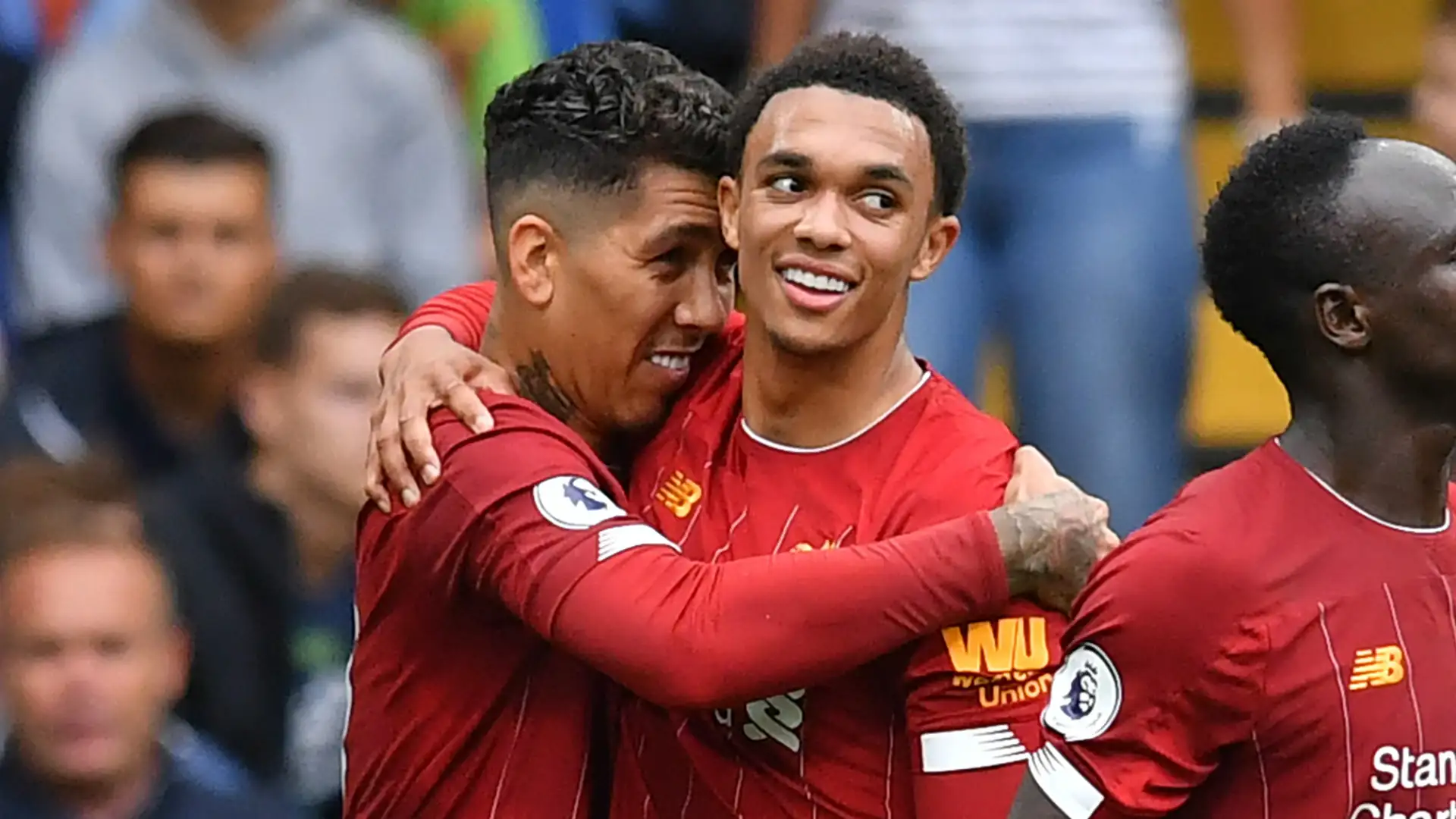
In the 2019/20 Premier League season, a small group of teams developed a habit of deciding games in the final 15 minutes, either by pushing for winners or piling on insurance goals. Bettors who recognised these late‑goal patterns could use them to build targeted live strategies during the closing stages instead of treating the last quarter‑hour as random chaos.
Why Late‑Goal Behaviour Matters Specifically For Live Betting
Late goals are a product of accumulated pressure, fatigue, and risk‑taking rather than pure luck, and those forces are clearest in the final 15 minutes. In 2019/20, league‑level numbers showed that more goals were scored in second halves than in first halves, and a significant share of those second‑half goals clustered after the 75th minute, particularly in higher‑tempo fixtures. Teams that consistently maintained or increased attacking output into this period created more chances for late equalisers and winners, turning them into prime candidates for live “goal in last 15 minutes” or “team to score next” bets when trailing or drawing.
At the same time, late‑goal tendencies are not evenly distributed across the league. Title challengers with deep benches and aggressive coaches often pushed hardest late on, while some compact, defence‑first sides simply tried to survive and rarely committed numbers forward after 75 minutes. Recognising that structural difference matters for live bettors, because it tells you whether a team at 1–1 in the 80th minute is statistically more likely to settle or to keep generating chances. Leaning on historical late‑goal behaviour makes live decisions less reactive to short‑term emotion and more grounded in how the club typically behaves when chasing or protecting a result.
Which 2019/20 Teams Were Most Dangerous Late On?
While complete minute‑by‑minute databases are needed for precise rankings, the identity of the most dangerous late‑goal teams in 2019/20 is consistent with what season reviews and goal‑time splits highlight. Liverpool, on their way to 99 points and the title, scored numerous goals in the final stages by sustaining pressure and using fresh attacking substitutions, frequently turning narrow leads into secure wins or rescuing points with late strikes. Manchester City, with their relentless attacking volume, also generated a high number of late goals, often pushing tired opponents back and exploiting gaps as defences lost shape in the closing minutes.
Beyond the top two, other sides with strong attacking cores—such as Chelsea and Manchester United—also posted plenty of late goals, especially once substitutes injected pace against fatigued defenders. These clubs tended to dominate territory and possession, meaning that, when games were still close near the end, they had the structural platform to create multiple late chances rather than relying on one hopeful attack. The gap between them and more conservative teams mattered directly for live betting, because a late‑push specialist down 0–1 in the 78th minute represented a real scoring threat, whereas a low‑block side in the same situation often lacked the tools to turn pressure into shots.
Tactical And Physical Mechanisms Behind Late Goals
Late goals arise from a specific mix of tactical choices, physical decline, and bench quality. On the tactical side, coaches who keep full‑backs high, allow midfielders to make late penalty‑box runs, and maintain attacking shape even when tired naturally create more late chances. In 2019/20, attack‑minded managers at clubs like Liverpool, City, and Chelsea rarely settled for narrow leads; they continued to press and recycle possession, which extended the volume of dangerous actions right to the final whistle.
Physically, fatigue erodes defensive concentration faster than attacking ambition. Tired defenders track runners less tightly and react more slowly to cutbacks, while fresh attackers from the bench can exploit those lapses with sharp movement and high‑intensity sprints. Deep squads with impact substitutes—pacey wingers, direct centre‑forwards, or creative midfielders—gained a particular edge in this phase, because they could change the rhythm of a game against opponents who had already spent most of their energy. In 2019/20, this combination of aggressive tactics plus fresh legs drove many late goals for the top sides, especially against opponents forced to defend deep for long stretches.
Conditional Scenarios That Amplify Or Reduce Late‑Goal Probability
Late‑goal behaviour is sensitive to match context rather than fixed in every situation. When a strong team trailed or drew in the final 15 minutes, managers usually threw on extra attacking players, pushed full‑backs higher, and accepted more defensive risk—conditions that made a late goal more likely for either side, but especially for the stronger attack. Conversely, when a big favourite led 3–0, the same coach often used the final minutes to rest key players and slow the tempo, which reduced late‑goal probabilities despite the quality on the pitch.
Fixture congestion and prior workload also changed the calculation. In stretches with many games in a short time, even aggressive teams sometimes preserved energy by lowering intensity late on, particularly once they had already secured a result. Relegation battles added a different twist: trailing sides facing relegation stakes often gambled heavily in the final 15 minutes, leading to more wide‑open endings than their earlier‑season stats suggested. Judging late‑goal potential therefore meant combining historical tendencies with current scoreline, stakes, and recent physical demands, not relying on season averages in isolation.
How Late‑Goal Profiles Translate Into Last‑15‑Minute Markets
For live bettors, the final 15 minutes open a set of time‑sensitive markets whose value depends directly on late‑goal likelihood. Common options include “goal between 76–90+ minutes”, “team to score next”, “over X.5 goals” adjusted for the remaining time, and sometimes “draw no bet for last 15 minutes” through customised or derivative markets. Teams with proven records of scoring beyond the 75th minute give you a clearer statistical base when deciding whether those prices are worth taking once the in‑play odds adjust to current score and momentum.
The core idea is to compare the live line to what you would expect if late‑goal behaviour from 2019/20 carried forward under similar circumstances. If a Liverpool or City side was historically responsible for a large share of their goals in the last quarter‑hour when chasing, a live price that implies a very low chance of any further scoring may be too pessimistic if they are currently pressing against a tired defence. On the other hand, if the team on the ball is a low‑tempo, low‑risk side that rarely altered its behaviour late, generous odds for “another goal” might still be poor value because the underlying mechanism for late scoring is weak.
Integrating Late‑Goal Tendencies With UFABET‑Type Live Menus
In a real live‑betting environment, the way markets are arranged determines how easily you can exploit late‑goal edges. When an operator offers granular time‑segment options—last 15‑minute goal lines, next‑team‑to‑score, and rapidly updating totals—you can express late‑goal reads far more precisely than by simply chasing full‑time overs. Observing how those in‑play options move relative to overall match flow within a broad football menu such as ยูฟ่า168 helps you see whether the instant odds reflect only the scoreboard or also the underlying dominance and historical late‑goal tendencies of the teams involved. If, for example, a known late‑goal side is piling on shots but the “goal in last 15 minutes” price remains close to a generic baseline, that discrepancy can signal an opportunity to back a late strike rather than touching the main match‑winner line.
Late‑Goal Teams Versus Late‑Collapse Teams
Late‑goal specialists are only half of the story; late‑collapse teams matter just as much for last‑15‑minute betting. Some sides in 2019/20 conceded repeatedly near the end due to thin squads, heavy defensive workloads, or psychological fragility under pressure. Their match histories show a pattern of dropping points from winning or drawing positions after the 75th minute, often against stronger opponents who attacked relentlessly late on. From a live‑betting standpoint, backing a late goal when such a team defended a narrow lead was often more a bet on their vulnerability than on the chasing team’s brilliance.
The distinction between late‑goal and late‑collapse profiles becomes especially useful when both traits meet: a high‑pressing, deep‑bench favourite attacking a fatigued, historically brittle defence. In that configuration, the chance of a late goal rises sharply relative to league averages, and markets that treat the closing minutes as roughly similar to the rest of the half can be slow to adjust. Pairing knowledge of who tends to score late with who tends to concede late gives a more robust basis for last‑15‑minute bets than focusing on either side in isolation.
Comparing Strong Late‑Goal Teams To The League Baseline
Relative to league‑wide patterns where second halves already produce more goals than first halves, the best late‑goal teams stand out by scoring a much higher share of their goals after the 75th minute. In 2019/20, that meant clubs like Liverpool and City often added extra goals late even when already in front, while some mid‑table sides only showed late‑goal spikes when forced to chase draws or wins in tight matches. For live bettors, the practical comparison is between how often a team keeps scoring late in comfortable wins and how often it finds late equalisers or winners from losing or drawing positions.
This distinction shapes which live scenarios you prioritise. A team that mostly scores late in games it already controls might be a good candidate for “over total goals” when leading by a single goal near the end, because they keep pushing for more. Conversely, a team that only spikes late when trailing may justify “late goal” bets primarily when they are behind, not when they are ahead and likely to close the game down. Matching each team’s late‑goal pattern to its current game state prevents you from overgeneralising and helps target the specific live spots where historical behaviour actually repeats.
Using Late‑Goal Angles Within a casino online Environment
In a broader gambling environment, the last 15 minutes are often presented in a way that encourages impulsive rather than structured decisions. Within a casino online context, live banners and notifications about “boosted odds for a late goal” or “dramatic finish” offers can pull attention toward spectacle without reference to which teams genuinely possess late‑goal profiles. That framing nudges many bettors into chasing high‑priced outcomes simply because the match is near the end, not because the sides involved are historically prone to late scoring or conceding.
To use late‑goal edges effectively in that setting, you need to treat the promotional layer as noise and focus on the teams’ behavioural history instead. When you see a late‑goal offer, you ask whether the attacking team has a record of sustained pressure and impact substitutes, and whether the defending side has shown repeated late collapses under similar circumstances. If both conditions are weak, the “drama” framing is just a distraction. But if both line up—strong late‑goal side attacking a fragile defence—the same offer may align with the underlying probabilities, making it a rational rather than emotional decision. Over time, this disciplined approach turns a visually noisy environment into a filtered space where you only act when live markets and historical patterns genuinely converge.
Summary
In the 2019/20 Premier League, late‑goal patterns were not random; they reflected tactical aggression, bench depth, and defensive resilience, with title contenders such as Liverpool and Manchester City especially dangerous in the final 15 minutes. Teams that sustained high pressure and used impactful substitutes consistently translated second‑half dominance into late winners or insurance goals, while others repeatedly conceded late due to fatigue and structural frailty. For live bettors, recognising these behaviours allowed more targeted use of last‑15‑minute markets—“goal before full time”, “team to score next”, or time‑segmented overs—based on how specific teams actually behaved near the end of matches rather than on generic excitement about late drama. By combining game state, schedule context, and known late‑goal or late‑collapse tendencies, you could turn the most emotional phase of the match into a structured, data‑driven opportunity instead of a random gamble.