
5 Ways On-Demand TV Apps Transform Entertainment Viewing
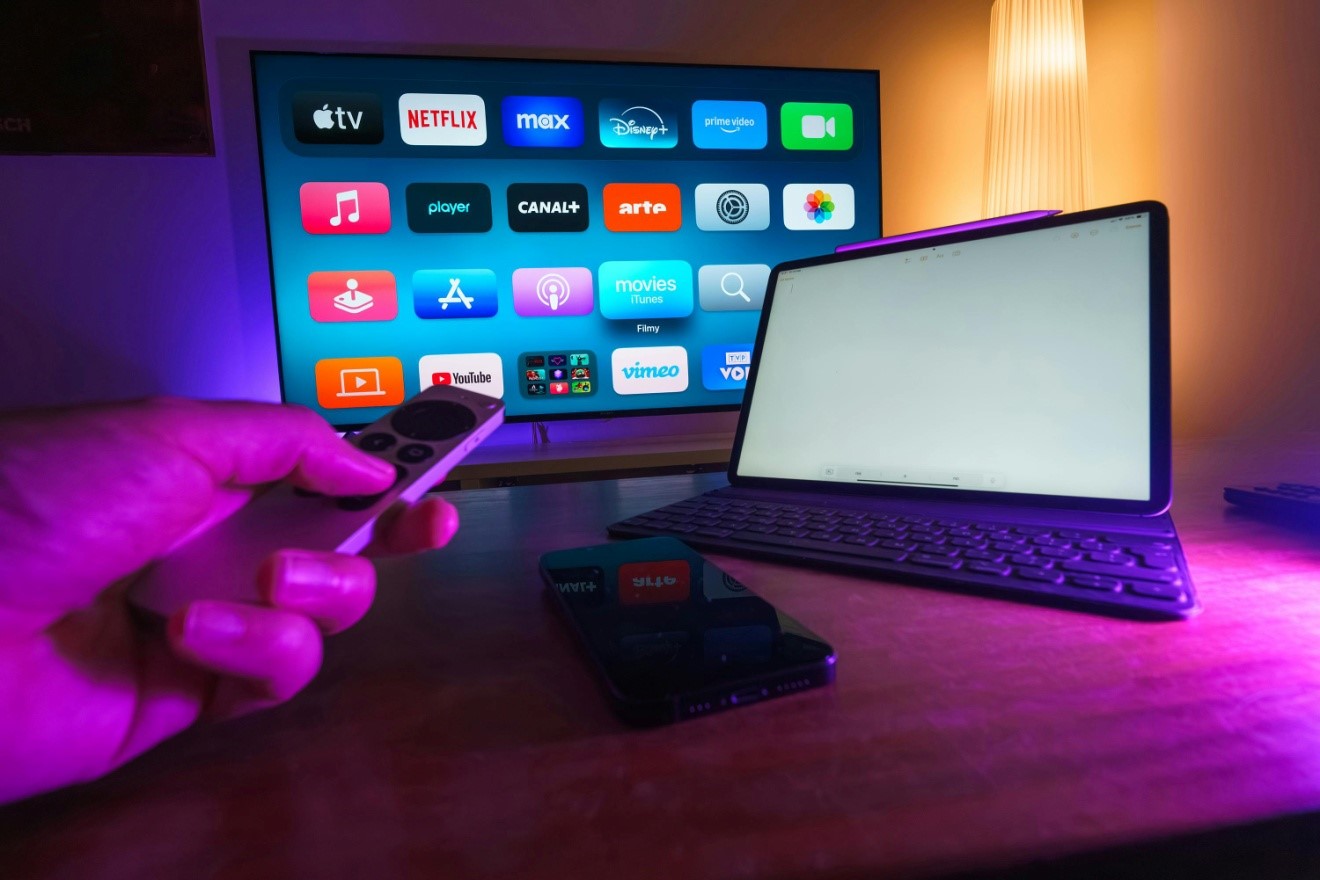
How we watch TV has completely changed. I mean, when was the last time you actually sat down at 8 PM sharp to catch your favorite show? Probably can’t remember, right?
Traditional TV, with its rigid schedules, is basically dead. We’ve all moved on to on-demand apps, and honestly, there’s no going back. These platforms didn’t just tweak our viewing habits–they flipped everything upside down.
Here are five ways these apps have totally changed the game.
1. Watch Whatever, Whenever (Finally!)
Remember sprinting home to catch the season finale? Those frantic moments when you’re stuck in traffic, knowing you’re missing the big reveal? Yeah, those days are over.
On-demand apps let you watch on your schedule. Netflix doesn’t care if you want to binge three episodes at 2 AM or catch up during lunch. Your show will be there waiting.
I love how you can start something on your phone during your commute, then pick up right where you left off on your TV at home. It’s seamless. No more “Oh shoot, I missed it” moments. Your entertainment actually fits into your life instead of controlling it.
2. Apps That Actually Know What You Like
These apps are watching you watch. They’re learning what makes you tick.
Finished a true crime documentary? Here are five more that’ll keep you up all night. Loved that quirky indie film? Here’s a whole list of similar gems you never would’ve found otherwise.
Sure, sometimes the recommendations are way off. But when they hit, it’s like having a friend who really gets your taste, suggesting your next obsession. No more endless scrolling through thousands of options, wondering what’s actually worth your time.
3. The Whole World Opens Up
We’re not stuck with just American shows anymore. Want to watch Korean dramas? Done. Curious about that French thriller everyone’s talking about? It’s right there.
Amazon Prime and Netflix have made foreign content accessible in ways that seemed impossible just a few years ago. Good subtitles, decent dubbing–whatever you prefer. It’s opened up storytelling styles I never knew existed.
My friends and I constantly share recommendations from different countries now. It’s like having a passport to global entertainment without leaving your couch.
4. TV Gets Social (In a Good Way)
Remember when watching TV was this solitary thing? Now it’s become social again, just in new ways.
Watch parties changed everything during the pandemic. Suddenly, you could watch with friends across the country. The chat features, the synchronized viewing–it brought back that communal TV experience we’d lost.
And then Netflix went completely wild with “Bandersnatch.” You’re making choices that change the story. It’s like those choose-your-own-adventure books, but actually good. These interactive elements make you feel invested in ways regular TV never could.
5. Original Shows That Are Actually Good
Here’s where streaming platforms really flexed. They stopped being just distributors and became studios. And surprisingly? They’re crushing it.
“Stranger Things” became a cultural phenomenon. “The Marvelous Mrs. Maisel” won tons of awards. These aren’t just filler content–they’re often better than what traditional networks produce.
The best part? When a new season drops, you can binge the whole thing immediately. No waiting week by week (unless you want to). It’s instant gratification at its finest. The appeal is similar to discovering how to play poker–once you experience that unique excitement, you’re completely hooked.
The Bottom Line
On-demand TV apps have fundamentally changed how we consume entertainment. The convenience is unmatched, the personalization actually works, and the content variety is incredible.
We’re living in the golden age of television, and these platforms are driving that renaissance. Traditional TV’s not coming back. And honestly, why would we want it to?
The future of entertainment is on-demand, personalized, and global. If you’re still clinging to cable schedules and commercial breaks, you’re missing out on something pretty amazing.